
Indie Law Attorney Explains the Brand Risk Facing Etsy and Amazon Sellers Before Black Friday
Nov 5, 2026
As online sellers gear up for their busiest season, a trademark attorney explains why waiting to protect a brand name can leave a business exposed as holiday sales rise.
Chicago, IL (PRUnderground) November 5th, 2026
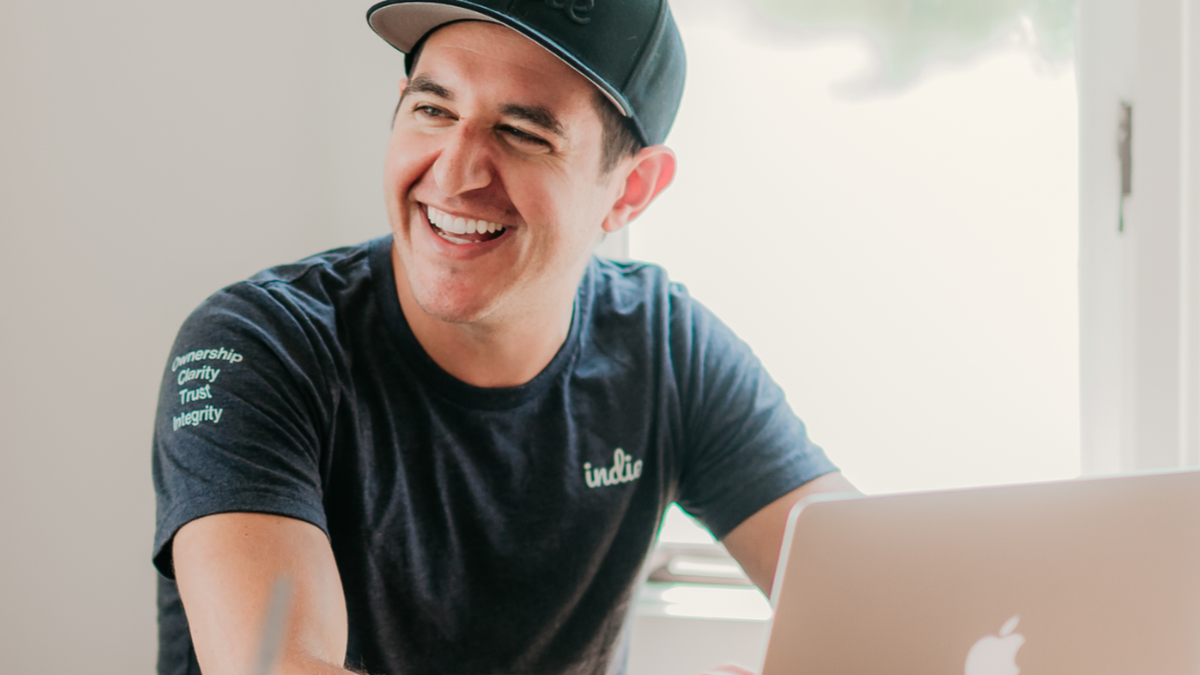
As online sellers gear up for their busiest season, a trademark attorney explains why waiting to protect a brand name can leave a business exposed when traffic, sales, and copycats increase.
Online sellers spend all year building a brand. An Etsy shop develops a following. Amazon products start selling. A Shopify store finally gains traction. Then the holiday shopping season arrives, bringing more customers, and more eyes on what has been built. According to Joey Vitale, trademark attorney and founder of Indie Law, that is when an overlooked trademark problem can become much harder to ignore. Selling under a name on Amazon, Etsy, Shopify, or another platform does not automatically provide federal trademark protection for that name.
"The better your brand does, the more likely someone else is going to notice it," Vitale said. "And during the holidays, everything moves faster. You've got more traffic, more sales, and potentially more people looking at your products and thinking, 'I could sell something like that.' That's not the time you want to start wondering whether your brand is actually protected."
Why Platform Sellers Are Especially Vulnerable
Online marketplaces give business owners an effective way to reach customers. But having a storefront on a platform is not the same as owning federal trademark rights to the brand behind it.
That difference becomes especially important when someone starts using a similar name, copying branding, or selling products that customers could mistake for another seller's.
Major platforms have developed their own brand protection programs. Amazon, for example, offers Amazon Brand Registry, a program that gives eligible brand owners access to additional tools for managing and protecting their brands, and Etsy maintains a separate intellectual property reporting system for rights owners to report suspected infringement. Eligibility requirements for these programs are set by the platforms and can change, so sellers are encouraged to review current requirements directly on Amazon's and Etsy's official policy pages.
Those tools can help. But sellers first need to understand what trademark rights they actually have.
What Happens Without Protection
A seller could spend months building a name customers recognize, only to find another seller using something very similar right before the busiest sales weeks of the year.
Customers may then have trouble telling the difference. Sales that should have gone to the original seller could go somewhere else. Instead of focusing on holiday orders, that seller may be trying to prove the brand is theirs and determine what can be done about the copycat.
There is another problem sellers sometimes overlook: a seller could discover that someone else has stronger trademark rights to the name they have been building.
"That's the part that really hurts," Vitale said. "You did the work. You built the reputation. You got the reviews and the repeat customers. Then somebody else starts benefiting from a name you spent months or years building. And now you're dealing with that during the few weeks when every sale matters."
What Sellers Should Do Before the Season Ramps Up
According to Vitale, the answer is not to panic. It is to get ahead of the problem.
Sellers whose brand matters to their business are encouraged not to wait until a copycat appears to start thinking about trademark protection. A federal trademark application can take months to work through the registration process, so filing earlier matters. It starts the process and can establish an earlier filing date that may become important as a brand grows.
Indie Law focuses exclusively on trademarks and has handled more than 2,500 trademark filings, with a 99.7% success rate.
"You shouldn't wait until someone copies your brand to decide your brand is worth protecting," Vitale said. "If you're counting on that name to drive your biggest sales season, start protecting it before the rush."
Additional information about trademark protection is available at indielaw.com.
About Indie Law
Indie Law is a trademark law firm serving entrepreneurs, creatives, and growing businesses across the United States. Founded by trademark attorney Joey Vitale, Indie Law focuses exclusively on trademark law, helping clients protect their brands through federal trademark registration, comprehensive searches, and ongoing brand monitoring. With over 2,500 trademarks filed and a 99.7% success rate, Indie Law is the trademark firm other law firms trust. Learn more at indielaw.com.
Original Source: https://www.indielaw.com/blog/q4-holiday-launch-trademark-checklist/
Press Contact
Name: Katie Soy Phone: 3127666889 Email: Contact UsOriginal Press Release.
More News









YOUR NEWS, OUR NETWORK.
Do you have Great News you want to tell the world?
Be it updates about your business or your community, you can make sure that it’s heard by submitting your story to our network reaching hundreds of news sites across 6 verticals.