
Turnkey Family Entertainment Center Design by KAIQI: Bespoke Space Engineering and Direct Factory Installation
Sep 18, 2026
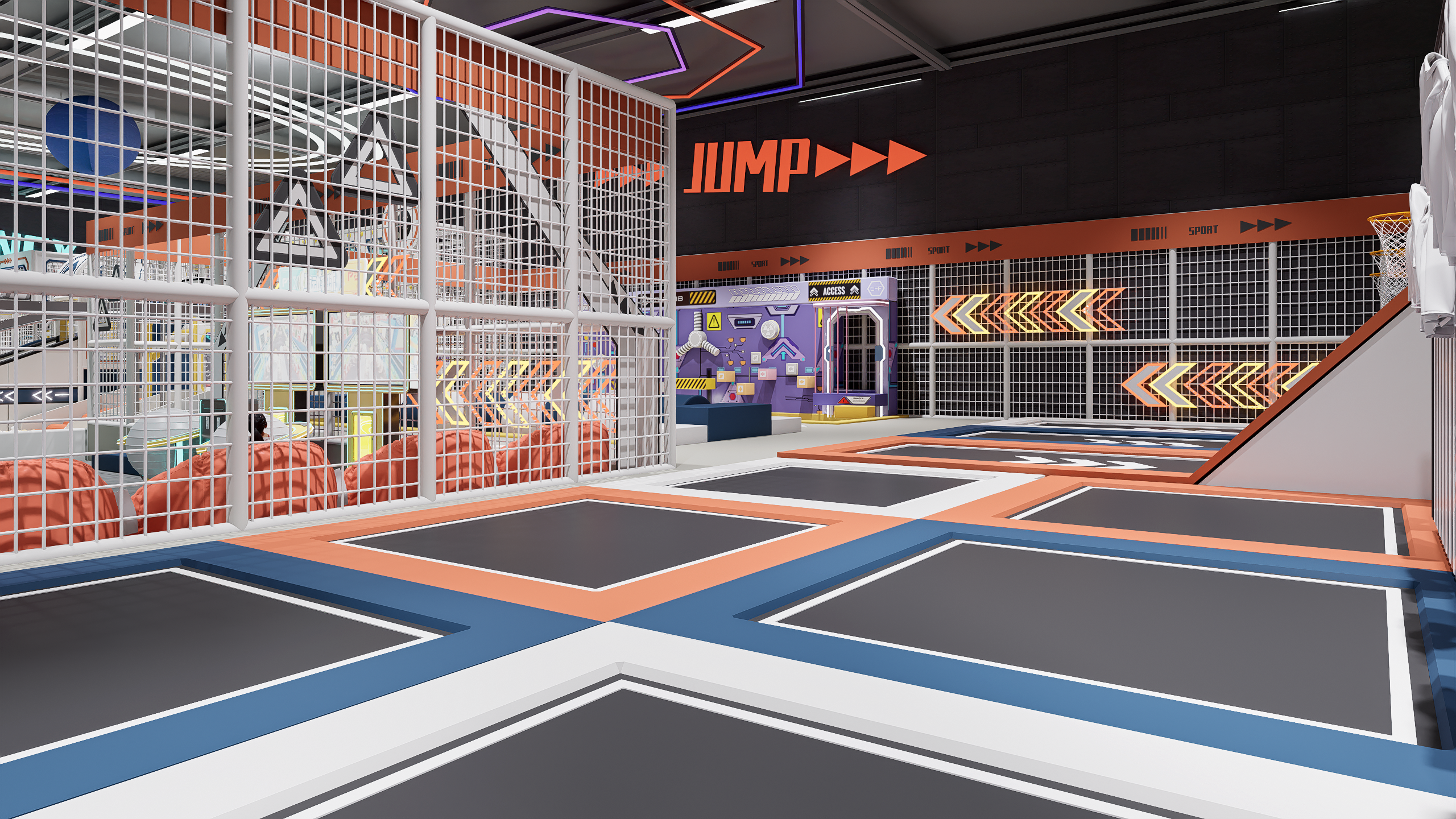
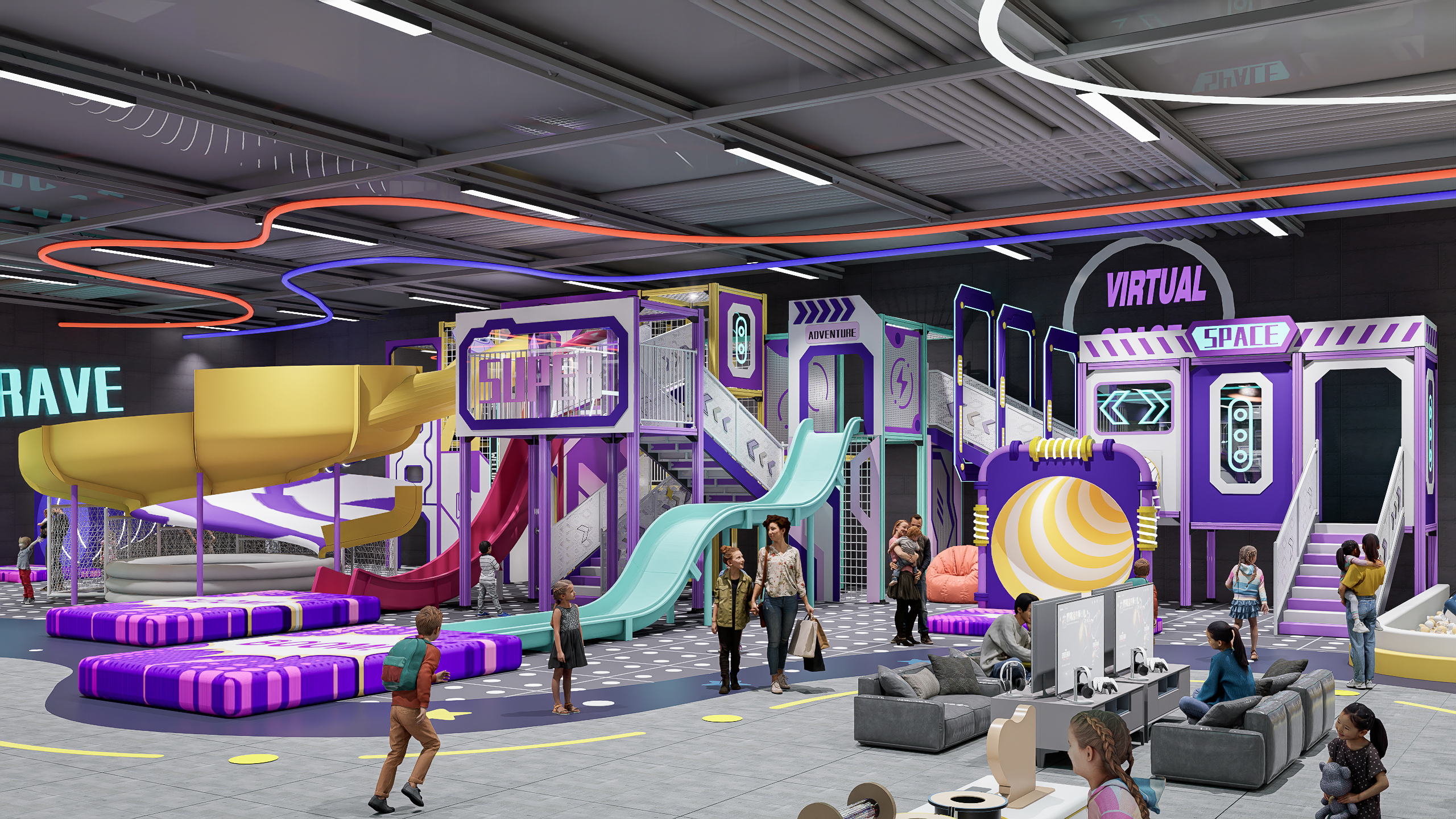
Wenzhou, Zhejiang Sep 18, 2026 (Issuewire.com) - The Turnkey Family Entertainment Center Design process managed by KAIQI seamlessly unifies venue engineering, zone configuration, equipment manufacturing, and installation into a single, cohesive project chain. Showcasing four highly distinct configurations--ranging from soft play and sand pits to large indoor structures, high slides, trampolines, ninja courses, and restaurant obstacle mazes--the official FEC category illustrates how customizable space engineering adapts to precise square footage, ceiling heights, target demographics, and commercial operating models, establishing a clear, deliverable scope from the very first consultation.
Turnkey Scope Begins with Site and Business Inputs
Defining the scope of a turnkey FEC demands the simultaneous integration of precise venue dimensions and aggressive commercial objectives. Space engineering cannot dictate the correct ratio of large active structures to low-intensity soft play areas, challenge zones, and auxiliary spaces until the building's footprint, ceiling heights, column placements, target age demographics, revenue models, projected foot traffic, and target opening dates are finalized.
The initial project brief must also incorporate local building permits, fire safety regulations, structural load limits, and daily operational requirements. By embedding these critical business and architectural inputs into the conceptual design phase, KAIQI ensures that the proposed turnkey solution operates within strict implementation boundaries, preventing costly redesigns and misaligned expectations.
Four FEC Concepts Demonstrate Different Zone Combinations
The manufacturer's official FEC portfolio highlights four distinct conceptual approaches, demonstrating spatial strategies that range from family-oriented soft play combinations to high-intensity physical challenge arenas. Integrating soft play areas, sand pits, and large indoor structures caters effectively to multi-generational family visits by offering varied, low-stress engagement. In contrast, combinations of high slides, expansive trampoline courts, and demanding ninja courses serve an older demographic seeking vigorous physical activity.
Furthermore, the inclusion of an indoor obstacle maze designed specifically for restaurants proves that FEC equipment can be successfully integrated into dining and hospitality environments to support family consumption scenarios. These varied concepts empower project owners to select zone combinations that perfectly match their target audience and spatial constraints, rather than forcing them to adapt a generic template to their unique venue.
Space Engineering Connects Attraction Mix with Circulation
The core function of bespoke space engineering is to harmonize the mix of play attractions with essential operational flows, including entry points, queuing lines, parental sightlines, rest areas, ticketing counters, and emergency evacuations. High-intensity physical zones must maintain clear physical boundaries from low-age soft play areas to ensure that differences in speed and traffic do not compromise safety or degrade the guest experience.
Project planners must coordinate equipment heights, fall zones, maintenance access pathways, and existing architectural columns within a unified floor plan. Ensuring that visually striking attractions do not cannibalize necessary operational space is crucial. When the attraction mix is perfectly synchronized with visitor circulation and building constraints, the resulting FEC becomes a highly manageable, maintainable, and commercially compelling destination.
Design, Construction, Production, And Installation Form One Delivery Chain
The manufacturer structures its turnkey FEC service as an overall solution that spans design, construction, production, and installation, creating an unbroken delivery chain from the initial concept to the final, on-site realization. The design phase finalizes the layout and equipment selection, the production phase manufactures the verified components, and the construction and installation phases integrate the equipment with the venue's foundation, local conditions, and final commissioning procedures.
This continuous service model dramatically reduces the information loss and delays commonly associated with coordinating multiple independent suppliers. However, project owners must still ensure that the contract explicitly defines the technical drawings, change order protocols, liability boundaries, and acceptance criteria for every phase, maintaining strict accountability throughout the project lifecycle.
Direct Factory Installation Remains a Contract-Defined Service
While direct factory installation offers significant advantages, it must be rigorously defined within the project contract to outline the specific destination, personnel deployment models, travel logistics, local collaboration requirements, construction schedules, required tools, staff training, and final acceptance criteria. Cross-border installation is heavily influenced by visa processing, local labor regulations, site readiness, and permitting conditions, meaning factory capability does not automatically equal identical service execution in every jurisdiction.
Project owners can manage these variables by requesting a comprehensive installation plan, a prerequisite site-readiness checklist, a clear responsibility matrix, and definitive completion standards. Translating the promise of "direct" installation into actionable tasks and hard cost boundaries allows buyers to leverage the manufacturer's overall service advantages while mitigating the financial and operational uncertainties inherent in cross-border execution.
A Complete RFQ Converts Bespoke FEC Design into an Executable Project
FEC buyers can initiate an executable project by submitting a comprehensive RFQ that includes architectural drawings, business models, zone priorities, local compliance standards, and installation boundaries to the manufacturer's official homepage and contact channels. A thorough RFQ should request conceptual layouts, itemized equipment lists, technical parameters, production timelines, installation schedules, document packages, and commercial terms to facilitate accurate cross-proposal comparisons.
The product pages supply the conceptual zone combinations, the company profile provides the overarching service background, and the contact channels--including email, WhatsApp, phone, and online forms--manage the formal quotation and document exchange. This highly structured RFQ process transforms bespoke space engineering and direct factory installation from compelling concepts into a comparable, contractible, and fully implementable turnkey FEC project.
To review the available FEC zone configurations and submit your venue's architectural parameters, visit the official website at https://www.chinaplayground.com/.
Source :Kaiqi Group Co., Ltd.
This article was originally published by IssueWire. Read the original article here.
More News







YOUR NEWS, OUR NETWORK.
Do you have Great News you want to tell the world?
Be it updates about your business or your community, you can make sure that it’s heard by submitting your story to our network reaching hundreds of news sites across 6 verticals.